Business Automation
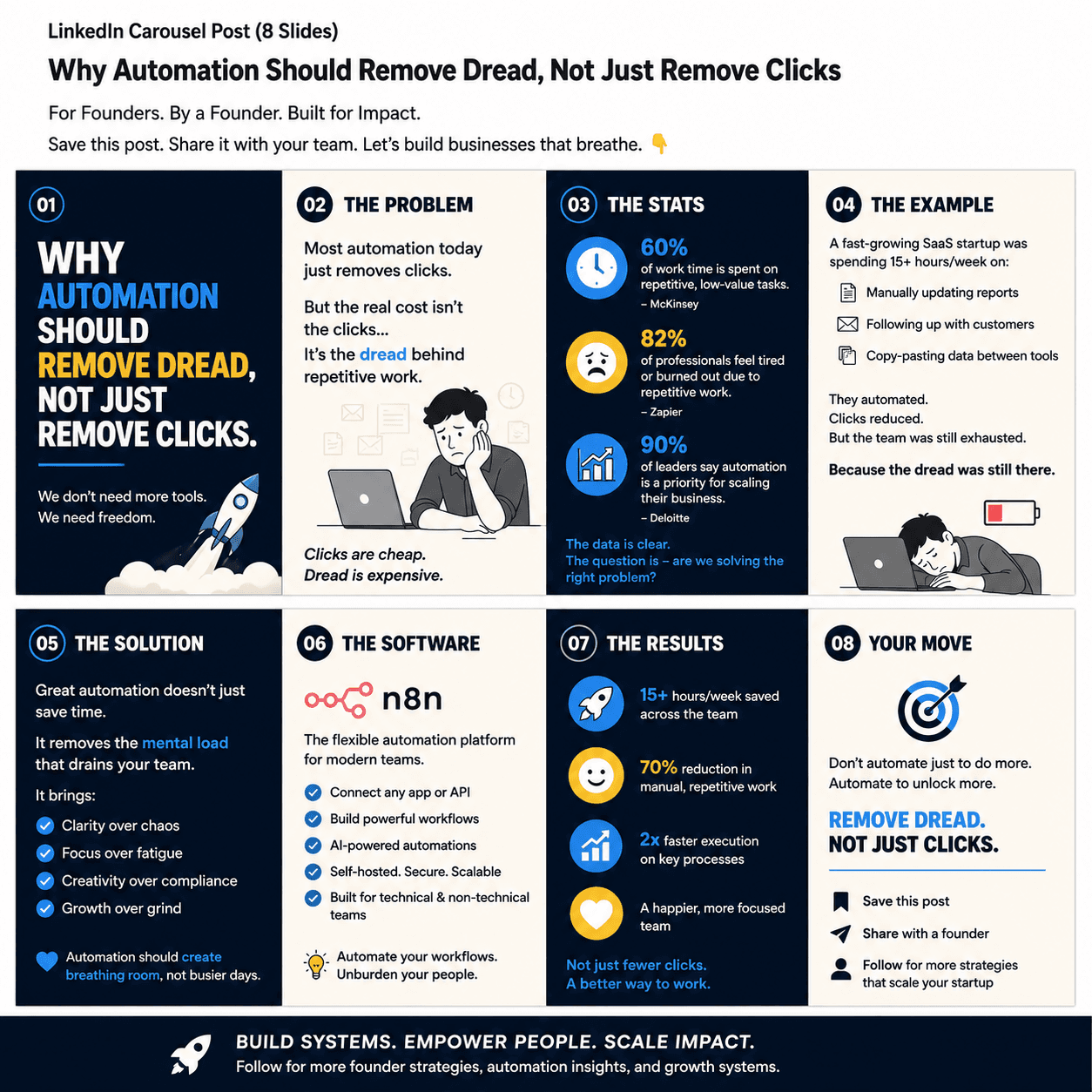
Good automation saves time
The biggest problem with automation isn't that it doesn't save time. It's that most automation doesn't remove the dread. Everyone talks about eliminating clicks. Very few people talk about eliminating the mental weight behind those clicks. Here's what I mean... A founder I spoke with had already automated dozens of workflows. Invoices were generated automatically. Emails were scheduled. CRM records synced perfectly. On paper, everything looked efficient. But every morning, the same feeling remained. ❌ "Did that workflow fail?" ❌ "Did the client receive the email?" ❌ "Did the payment go through?" ❌ "Did someone forget to update something?"
The clicks disappeared. The anxiety didn't. That's when it became obvious: Good automation saves time. Great automation creates peace of mind. The real goal isn't to make people work faster. It's to help them stop worrying about work that should already be handled. The best automation systems don't just execute tasks. They provide visibility. They provide confidence. They provide reliability. When your team trusts the system, they stop checking every five minutes. They stop duplicating work. They stop firefighting. And they finally have the mental space to focus on strategy, customers, and growth. Think about your own business. Are you automating tasks... Or are you removing uncertainty? Because those are two very different outcomes. The companies that scale fastest aren't always the ones with the most automation. They're the ones whose automation removes friction, uncertainty, and decision fatigue. Automation should remove dread not just remove clicks. What's one repetitive task in your business that creates more mental stress than actual work? I'd love to hear it in the comments. If this resonated with you, repost it to help another founder build systems that create freedom not just efficiency.
Related posts
Why WhatsApp alerts beat email for Nigerian SME Engagement
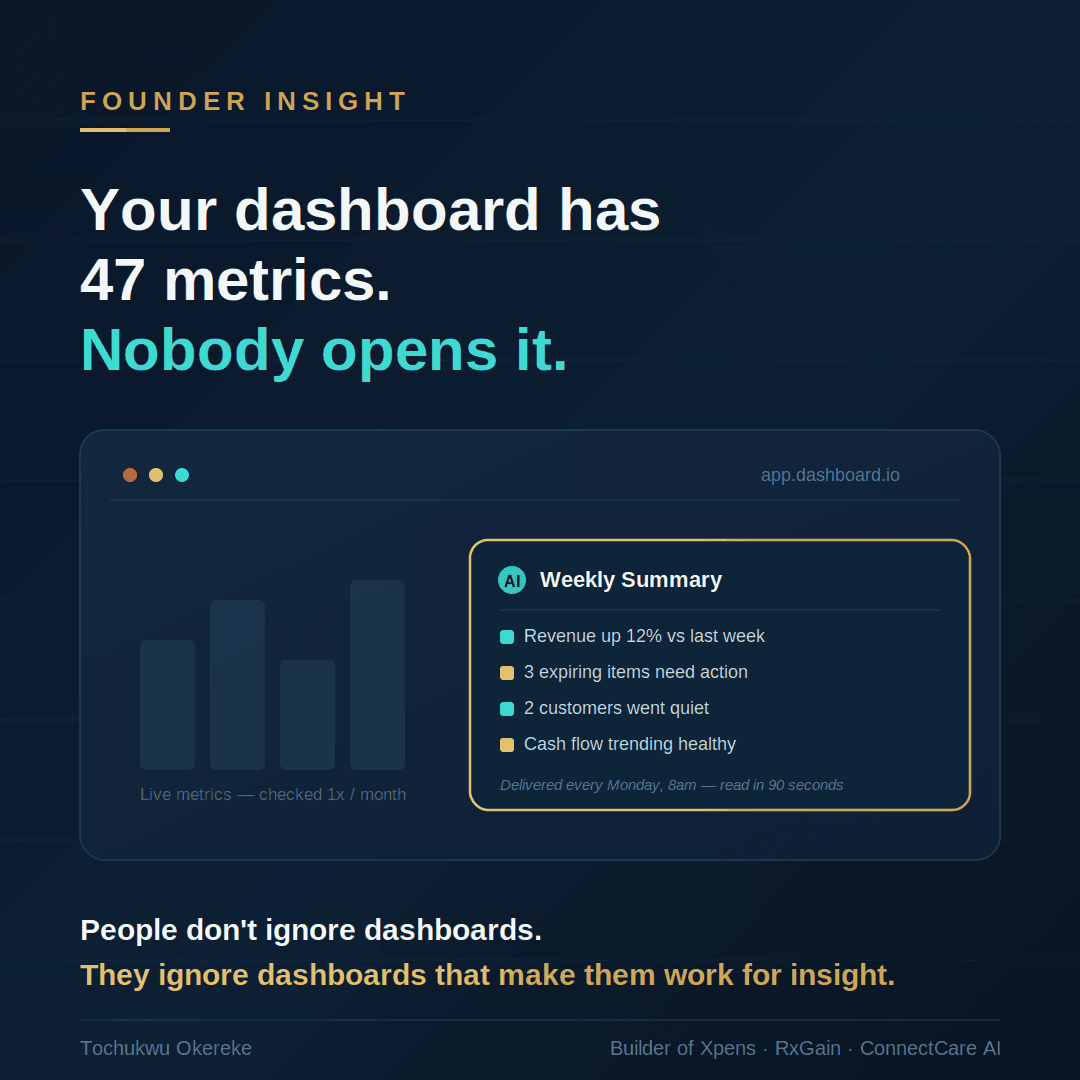
Every Monday at 8am, users get an AI-generated weekly summary pushed to them, not waiting to be pulled
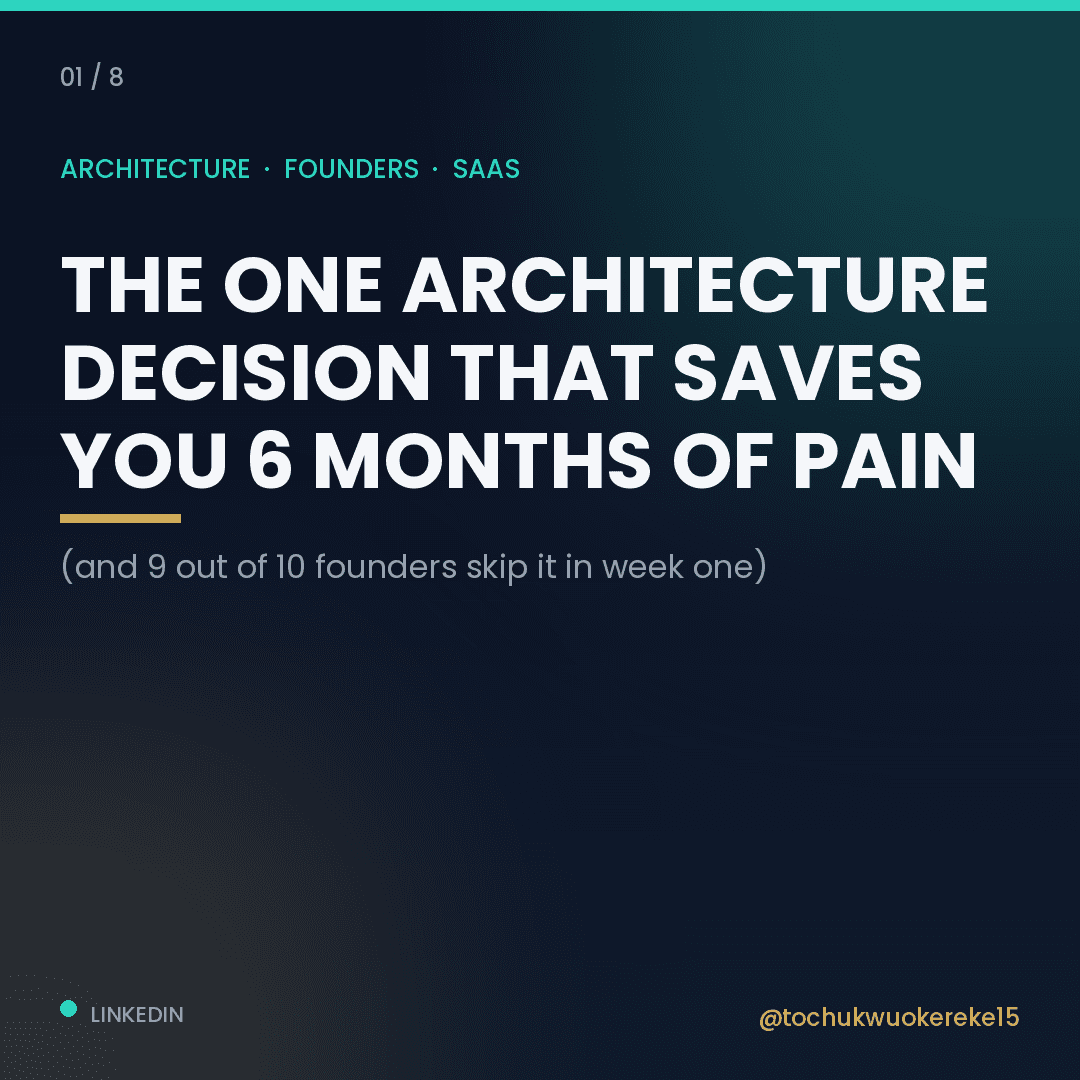
Architectural Decision That Saves Future Pain
Design for multi-tenancy from commit
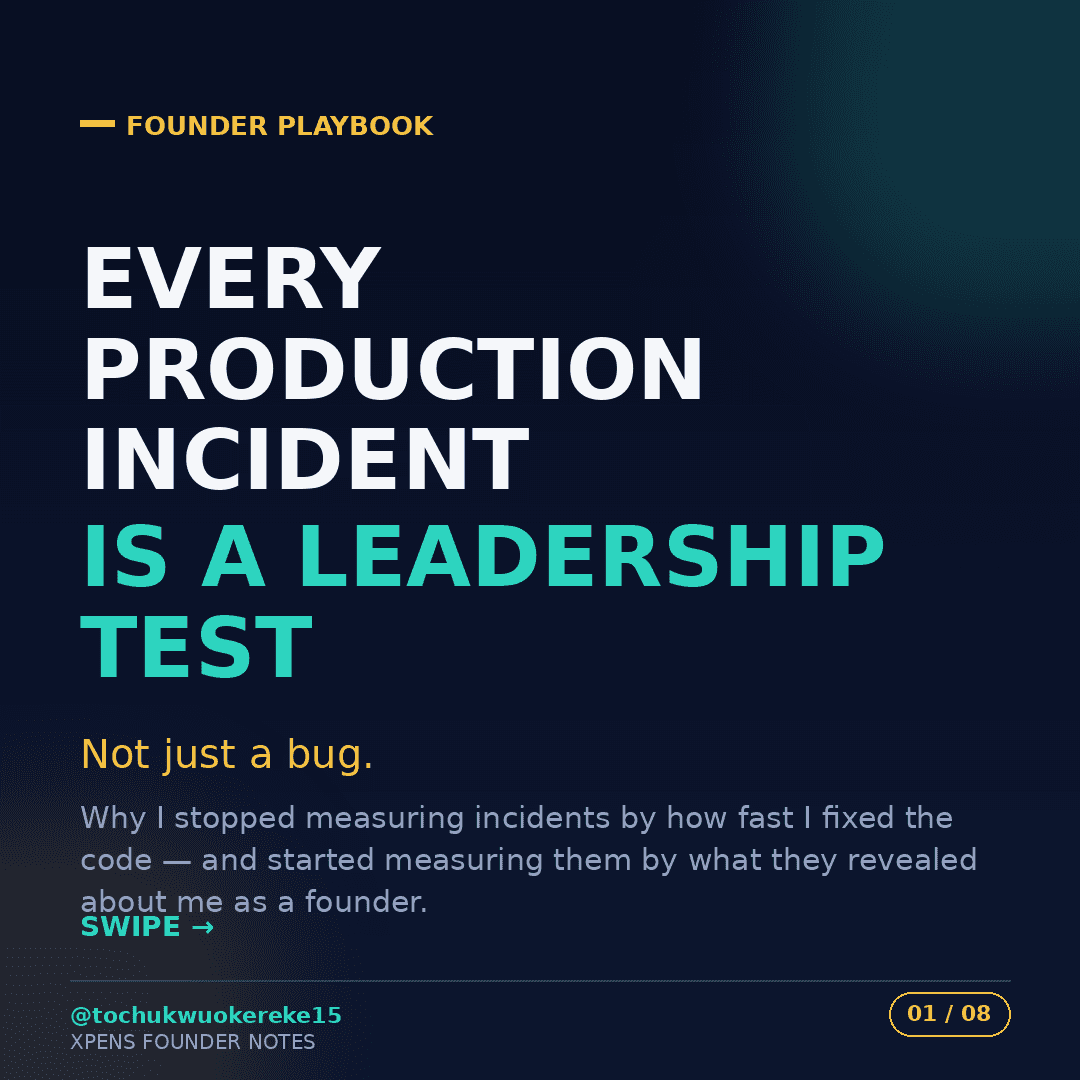
Why I Treat Every Production Incident As A Leadership Test, Not Just A Bug
we're trained to treat incidents as engineering events